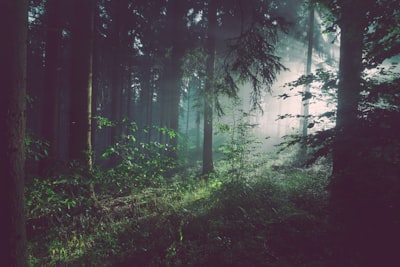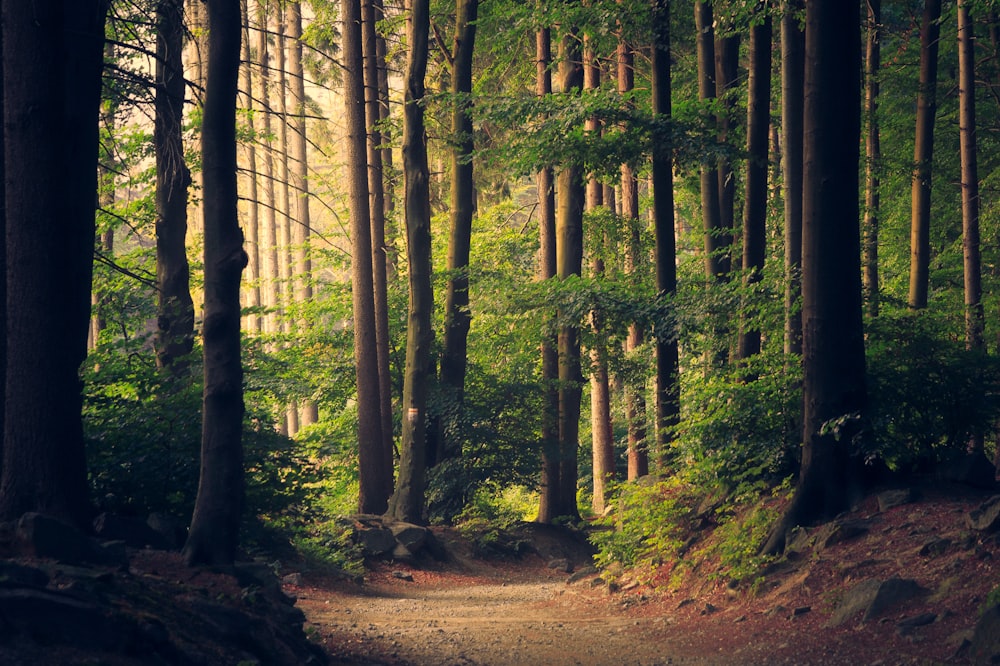
Every spring, as temperatures begin to rise above freezing in Quebec's countryside, something remarkable happens in the forests. Sap — a thin, almost colourless liquid with a faintly sweet taste — begins to flow through the trunks of sugar maple trees. Farmers and hobbyists alike drill small holes, hang buckets or run networks of plastic tubing through the trees, and begin the ancient process of collecting this precious raw material. After hours of boiling, 40 litres of sap reduces to just one litre of the amber syrup we know today.
This is maple syrup production — one of Canada's most iconic industries and, by any measure, one of the most remarkable agricultural stories in the world. Canada produces roughly 73 per cent of the global supply, with the province of Quebec alone accounting for nearly 90 per cent of that figure. The rest comes primarily from other Canadian provinces and from American states such as Vermont and New York, where the sugar maple also thrives.
A Tradition Rooted in Indigenous Knowledge
Long before European settlers arrived in North America, the Indigenous peoples of the northeastern woodlands had already mastered the art of maple harvesting. Anishinaabe, Haudenosaunee and other First Nations communities discovered that the sap of the sugar maple could be reduced through boiling or freezing into a concentrated sweet syrup or granulated sugar. This knowledge was passed down through generations and formed an important part of the seasonal food cycle.
When French and British colonists arrived, they quickly recognised the value of this forest resource. By the 18th century, maple sugar had become a common household staple throughout what is now Ontario and Quebec, often traded as currency and used as a substitute for imported cane sugar. The technology of production remained largely unchanged for centuries — a hand drill, a metal bucket and a wood-fired evaporator were the essential tools.
"Maple production is perhaps the best example of a traditional Indigenous food practice being adopted, scaled and transformed into a major export industry while retaining its deep roots in the seasonal rhythms of the forest."
The Modern Industry
Today, the Canadian maple syrup industry bears little physical resemblance to those early operations. Modern sugar bushes — the forested areas where production takes place — are threaded with kilometres of vacuum-assisted tubing that draws sap directly from thousands of taps to central collection tanks. High-efficiency reverse osmosis machines remove much of the water from the sap before it enters the evaporator, dramatically reducing the energy required and the time needed to achieve the correct sugar concentration.
The Federation of Quebec Maple Syrup Producers, founded in 1966, plays a central role in regulating the industry. Operating somewhat like an agricultural cartel, the Federation manages supply and sets prices for bulk maple syrup, maintaining a strategic reserve — sometimes called the "maple syrup bank" — of millions of litres stored in barrels to stabilise the market against fluctuations in seasonal yield. This strategic reserve, held in a warehouse in Laurierville, Quebec, famously suffered a dramatic theft in 2011 when approximately 3,000 tonnes of syrup, valued at CA$18 million, was stolen over several months — one of the most unusual heists in Canadian criminal history.
Export Markets and Global Demand
The United States is by far Canada's largest export market for maple products, purchasing roughly 60 per cent of total exports. Germany, Japan, the United Kingdom and Australia are among the other significant buyers. In Japan, in particular, Canadian maple syrup has achieved something close to prestige status, with premium-grade products sold at high price points in specialty food stores.
Global demand for maple syrup has grown substantially over the past two decades, driven by several converging factors. The rise of interest in natural sweeteners among health-conscious consumers has positioned maple syrup favourably compared to refined sugar and artificial alternatives. Maple syrup contains trace minerals — including manganese, zinc and riboflavin — that refined sugar entirely lacks. It also scores lower on the glycemic index, meaning it raises blood sugar less rapidly than ordinary sugar, though nutritionists caution that it should still be consumed in moderation.
Grades, Varieties and the Challenge of Authentication
A standardised grading system, revised internationally in 2015 in collaboration with the United States, now classifies maple syrup by colour and taste into four grades: Golden (delicate taste), Amber (rich taste), Dark (robust taste) and Very Dark (strong taste). The lightest grades are typically harvested at the beginning of the season when temperatures are coldest; the darkest grades come from later in the season as temperatures rise and microbial activity in the sap begins to affect its flavour profile.
As with wine and olive oil, the premium prices commanded by authentic Canadian maple syrup have attracted fraud. Regulators in Canada and importing countries have been forced to develop more sophisticated testing methods — including isotopic analysis and chromatographic profiling — to distinguish genuine Canadian product from cheaper imitations blended with corn syrup or other sweeteners. The Canadian Food Inspection Agency takes these authenticity issues seriously, given the reputational stakes involved.
Climate Change: The Industry's Greatest Long-Term Challenge
The sugar maple's productivity depends on a very specific climate pattern: freezing nights followed by warm days in the late winter and early spring. This temperature cycling creates the pressure differential that drives sap flow. As climate change alters seasonal patterns across northeastern North America, researchers are closely monitoring whether the maple syrup season — traditionally running from late February to mid-April — is shifting, shortening or becoming less predictable.
Some studies have found that the maple syrup season in parts of Quebec has been arriving earlier in the calendar year than it did in decades past. Others have modelled scenarios in which the ideal sugar maple habitat migrates northward over the coming century, potentially reducing production in traditional areas while opening new possibilities in more northerly regions. Industry groups and government agencies are investing in long-term research and adaptation strategies to protect this irreplaceable agricultural heritage.