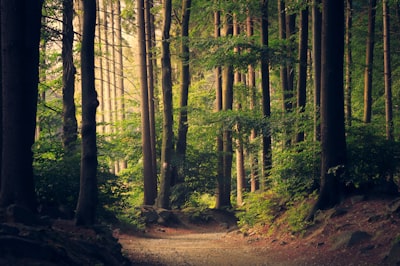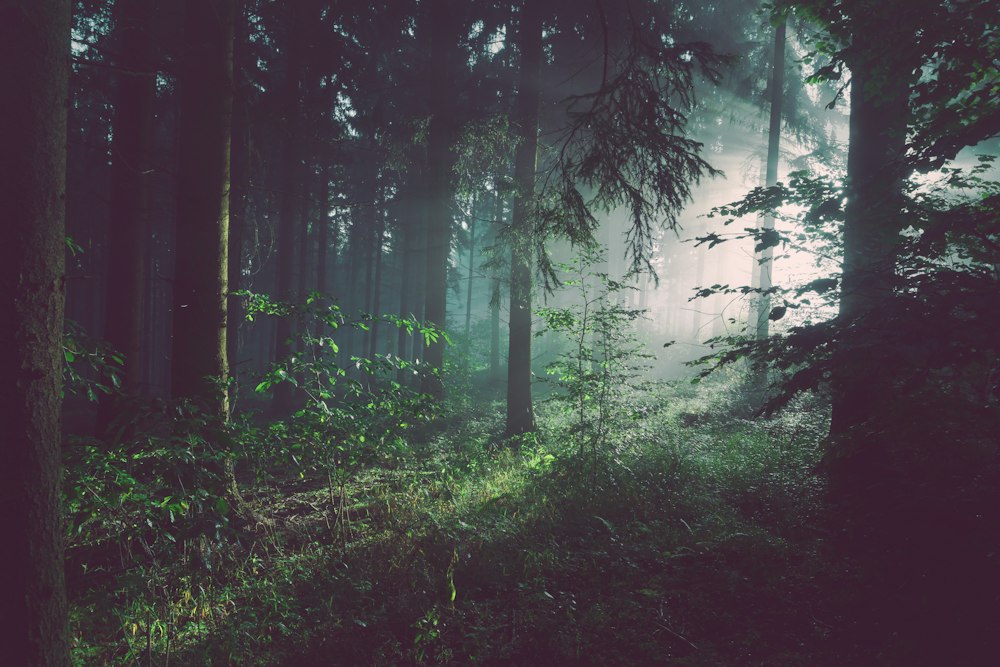
From a plane window somewhere over northern Ontario or Manitoba, the Canadian boreal forest looks endless. For hours, the landscape below is an uninterrupted carpet of spruce, fir, pine and tamarack, interrupted only by the glint of lakes and the silver threads of rivers. It is, by any measure, one of the last truly vast wilderness regions on Earth — and scientists are increasingly certain that its continued health matters to every human being on the planet.
The boreal zone — from the Russian word "bor," meaning forest — forms a continuous band of coniferous forest across the northern latitudes of the globe, running through Scandinavia, Russia, Alaska and, most extensively, Canada. Canada's portion covers approximately 2.7 million square kilometres, representing 27 per cent of all the world's remaining boreal forest and about 35 per cent of Canada's total land area. It is home to more than three billion birds — making it the most important bird habitat in North America — as well as the world's largest populations of woodland caribou, timber wolves and black bears.
A Carbon Bank of Planetary Significance
The boreal forest's ecological importance extends far beyond its role as habitat. The forest and its underlying soils collectively store an estimated 208 gigatonnes of carbon — roughly equivalent to 26 years of current global human-caused carbon dioxide emissions. This makes it one of the most significant carbon reservoirs on the planet, comparable in scale to the Amazon rainforest.
Unlike tropical forests, which store most of their carbon in the living biomass of trees, the boreal stores a large proportion of its carbon in its soils — particularly in the deep layers of peat, partially decomposed organic matter that has accumulated over thousands of years in the cold, waterlogged conditions typical of boreal wetlands. Canadian peatlands alone are estimated to contain approximately 150 gigatonnes of carbon, built up since the retreat of the glaciers at the end of the last ice age.
"The boreal is not just Canada's forest. It is one of the Earth's great climate regulators. What happens to it over the next 50 years will have consequences that extend to every corner of the planet."
Biodiversity: More Than Meets the Eye
The boreal forest appears, at first glance, relatively homogeneous compared to the riot of diversity in tropical ecosystems. But this impression is misleading. The boreal supports an extraordinary variety of species adapted to its specific conditions: short, intense summers followed by long, dark winters; cycles of flood and drought; periodic disturbance from fire, insects and wind. Species such as the Canada lynx, snowshoe hare, wolverine and moose have evolved in an intricate ecological web with the forest's plant communities.
The annual migration of approximately three billion birds through the boreal to southern wintering grounds represents one of the most spectacular and least-observed wildlife events on Earth. More than 300 species breed in the Canadian boreal, including species of conservation concern such as the olive-sided flycatcher, the rusty blackbird and the Canada warbler. Protecting this breeding ground is essential to the survival of bird populations across the entire Western Hemisphere.
Indigenous Peoples and the Boreal
For millennia before the arrival of European settlers, Indigenous peoples lived within and depended upon the boreal forest. First Nations communities across northern Canada — including Cree, Dene, Ojibwe and Innu peoples — developed sophisticated knowledge systems for living sustainably in the boreal environment, understanding its seasonal rhythms, animal migrations, plant communities and ecological processes with a depth that Western science is only beginning to match.
Many of these communities today occupy the territories where decisions about resource extraction, conservation and land management are most consequential. Indigenous land rights, protected in Section 35 of the Canadian Constitution, give First Nations communities a legal basis for participating in decisions about the forests that are part of their traditional territories. The degree to which these rights are genuinely respected in practice remains a subject of ongoing legal and political contest.
Threats and the Fight for Protection
The boreal forest faces several converging threats. Industrial development — including mining, hydroelectric projects, and oil and gas extraction — has fragmented habitat in many areas. The forestry industry harvests significant areas each year, though sustainable forestry certification schemes have encouraged better practices in some regions. Climate change is altering precipitation patterns, extending fire seasons and facilitating the spread of bark beetle infestations that have devastated forests in parts of British Columbia and Alberta.
Conservation organizations and First Nations communities have been working together in recent years to protect large areas of the boreal through land use planning processes. The Canadian Boreal Forest Agreement, signed in 2010 between environmental groups and major forestry companies, committed to protecting 72 million hectares of forest and improving practices across a further 78 million hectares — one of the largest conservation agreements in history. While implementation has been uneven, the agreement demonstrated that large-scale protection of the boreal is both politically and economically feasible.